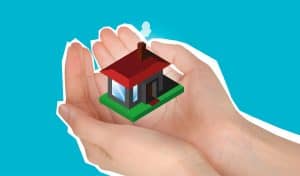
Sustainable Living: Designing Homes for Environmental Consciousness
Sustainable living has become increasingly popular in recent years as individuals and communities strive to reduce their carbon footprint and live in harmony with the environment. One area where this trend is particularly evident is in the design of homes. Gone are the days of cookie-cutter houses with no consideration for their impact on the environment. Today, more and more architects and builders are embracing sustainable design principles to create homes that not only look beautiful, but also promote environmental conservation – and it’s a change that is long overdue.
The Importance of Sustainable Living
In today’s world, the effects of climate change are becoming increasingly evident, and it is clear that we all need to make changes in our daily lives to protect the planet. One way to do this is by embracing sustainable living. This means making conscious decisions about how we use resources and how we impact the environment. And what better place to start than in our own homes?
Designing Homes for Environmental Consciousness
When it comes to designing homes for sustainable living, there are several key principles that architects and builders should consider. These include energy efficiency, water conservation, use of sustainable materials, and integration with the natural environment.
Energy Efficiency
The first step in creating an environmentally conscious home is to ensure that it is as energy efficient as possible. This means incorporating features such as insulation, energy-efficient windows, and renewable energy sources like solar panels. By reducing energy consumption, not only are homeowners reducing their carbon footprint, but they are also saving money on their energy bills.
Water Conservation
In addition to energy, water is another valuable resource that needs to be conserved. In designing sustainable homes, architects and builders should consider incorporating features like rainwater harvesting systems and greywater recycling to reduce water usage. They can also use low-flow fixtures and drought-resistant landscaping to ensure that the home’s water consumption is minimal.
Sustainable Materials
The materials used in constructing a home can also have a significant impact on the environment. Sustainable materials, such as bamboo, reclaimed wood, and recycled materials, are not only eco-friendly but also often more durable and require less maintenance. By using these materials, architects and builders can create homes that are both sustainable and aesthetically pleasing.
Integration with the Natural Environment
One of the most exciting aspects of designing homes for environmental consciousness is the opportunity to integrate them with the surrounding natural environment. This can be done in various ways, such as incorporating green roofs, using large windows to bring in natural light, or building homes on existing landscapes to minimize environmental disruption. By seamlessly blending into their surroundings, these homes become a part of nature rather than just structures in it.
The Benefits of Sustainable Homes
Apart from the obvious environmental benefits, there are several significant advantages to living in a sustainable home. For homeowners, building a sustainable home means reducing their carbon footprint and saving money on energy and water bills. It also means living in a healthier environment, as sustainable homes often have better air quality and use non-toxic materials.
From a community perspective, sustainable homes can also have a positive impact. They promote the use of renewable resources and help reduce pollution. Moreover, they often bring together like-minded individuals who want to live in a more environmentally conscious way.
The Future of Home Design
The trend towards sustainable living is only expected to grow, and as a result, sustainable home design will only become more prevalent. Governments, businesses, and individuals are all recognizing the importance of protecting the environment and making changes to achieve this. Today, sustainable home design is seen as innovative and groundbreaking, but in the future, it will become the norm as people become more conscious of the impact their homes have on the planet.
Final Thoughts
Designing homes for environmental consciousness is crucial in the fight against climate change and the desire to protect the environment. Sustainable homes promote a healthier, more eco-friendly way of living while also offering financial benefits and a sense of community. As architects and builders continue to embrace sustainable design principles, we can look forward to a future where sustainable living is the standard, not the exception.